
Inherited property
Selling a house you’ve inherited.
Dealing with someone's property after they've died is often a lot of practical work at an already difficult time. We can buy the house as it is, belongings and all if that helps, and work alongside the probate process rather than around it.

You don’t necessarily need to empty the house first.
What you might be dealing with
Every estate is different, but a few situations come up again and again.
You live a long way away
Getting to the property to manage viewings, repairs or clearance isn't practical.
You don't know its condition
It may not have been updated for years, or you haven't been inside for a while.
It's full of possessions
Sorting through a lifetime of belongings takes time, and it can be hard to know where to start.
There are several beneficiaries
Everyone needs to be kept informed, and people may have different views on selling.
Probate is still in progress
You're waiting for the grant and want to understand what can happen in the meantime.
How we can help
We can get started before the grant
We can research the property, inspect it and agree a price while you're waiting for probate, so things are ready when the grant arrives.
Belongings can stay
Take what you want to keep. We'll agree in writing what's being left and what happens to it.
An offer you can show the family
Our written offer explains how we reached the figure, which makes it easier for executors to explain the decision to beneficiaries.
One point of contact
We'll deal with the executor or their solicitor, and keep things simple if you're managing it from a distance.
What you don't need to do
- Empty the house or book a clearance
- Carry out repairs or updates
- Travel back and forth for viewings
- Clean or redecorate
- Wait for the grant before getting an offer
Step by step
How it works with an inherited property
In England and Wales, a sale can usually be agreed before the grant of probate, but it can't complete until the grant has been issued.
1. Tell us where things stand
The address, who the executors are, and whether probate has been applied for. It's fine if it's early days.2. Research and inspection
We look at the property and local sales, and arrange access through you or the estate’s solicitor.3. Written offer to the executors
You'll get our offer in writing with our reasoning, to share with beneficiaries if you want to.4. Legal work, then completion
Solicitors can prepare the sale while you wait. Completion happens once the grant has been issued, on a date we agree with you.
Things to consider
Executors should get an independent view
Executors have to act in the estate's best interests. It's sensible to get an agent's market appraisal to compare our offer against — we'd encourage it.
Our offer will be below open-market value
That reflects condition, our costs and risk. For some estates, speed and simplicity are worth it; for others, a higher price matters more.
Tax
If inheritance tax is due, at least some of it usually has to be paid before the grant is issued. If the property rises in value after the date of death, the estate may owe capital gains tax. A probate solicitor or accountant can advise.
Empty-property insurance and council tax
Tell the insurer the property is empty — many policies restrict cover after a set period. A home left empty after a death is usually exempt from council tax until probate, and for a time after; check with the local council.
Other routes you could take
Selling to us is one option. Depending on your circumstances, one of these may suit you better.
Sell through an estate agent
Usually the highest price, particularly if the property is in reasonable condition. You may need to clear it and arrange access for viewings.
Keep and let the property
An option if the beneficiaries agree and it’s in lettable condition, though it brings landlord responsibilities and costs.
Transfer it to a beneficiary
One beneficiary may want to keep the house, or buy out the others. The estate’s solicitor can advise how to do this.
Questions
Common questions
Can you buy a house before probate is granted?
We can agree a sale, carry out our research and inspection, and solicitors can do much of the legal preparation before the grant. The sale can't complete until the grant of probate (or letters of administration, if there's no will) has been issued, because until then the executors can't legally transfer the property.
Do all the beneficiaries have to agree?
The executors (or administrators) make the decision to sell and sign the paperwork — if there's more than one, they'll usually all need to sign. Beneficiaries don't sign, but executors must act in the estate's best interests, so it's good practice to keep everyone informed and be able to show how the price was reached.
What happens to the belongings left in the house?
Remove anything you'd like to keep, and anything of value or sentimental importance. We'll agree in writing what's being left and what will happen to it.
I live abroad. Can I still sell?
Yes. Most of the process can be handled remotely by you and your solicitor, including identity checks and signing documents. We can arrange access to the property with the estate’s solicitor or a key holder.
Who pays the estate’s legal fees?
Normally the estate pays for its own probate and conveyancing work. Ask us about costs at the start and we'll set out anything relevant in writing before you commit.

Vacant property
Empty, costing money and harder to keep an eye on.
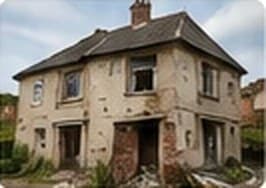
Needs a lot of work
Fire damage, structural problems or complete renovation needed.

Difficult to sell
Short lease, unusual construction or hard to mortgage.
Wondering where to start?
Tell us about the property and where probate has got to. We'll explain what we could offer and what the next steps would be — and if selling through an agent makes more sense for the estate, we'll tell you.