
Difficult properties
When most buyers can’t get a mortgage on it.
Some properties are hard to sell not because nobody wants them, but because lenders won't lend on them. We can look at buying properties that fall outside the usual rules, and explain exactly how the issue affects our offer.
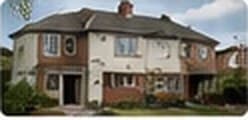
Unusual doesn’t mean unsellable.
The kinds of issues we look at
If one of these applies, you may already have seen buyers fall away at the mortgage or survey stage.
Short lease
Leasehold flats and houses where the remaining term puts lenders and buyers off.
Non-standard construction
Concrete, steel-framed or other system-built homes, and some timber-framed properties.
Structural issues
Subsidence, movement, cracking or a history of insurance claims.
Hard to mortgage
No working kitchen or bathroom, or another reason lenders won't lend in its current state.
Other complications
Issues such as Japanese knotweed or questions over cladding on a flat.
How we can help
We assess the issue, not just the label
We look at what the problem actually is and what it would take to resolve, rather than ruling the property out.
The effect on the price, explained
Your written offer sets out how the issue has affected our figure.
Specialist reports where needed
We may ask for a structural engineer or other specialist view. We’ll tell you why and what it shows.
A date that suits you
We'll agree a completion date with you once solicitors are instructed.
What you don't need to do
- Extend the lease before selling
- Carry out structural repairs first
- Find a buyer with a specialist lender
- Get every report yourself
Step by step
How it works with a difficult property
1. Tell us about the issue
What you know, and any surveys, reports or lease details you have.2. Research and specialist input
We look at local sales and, where needed, get a specialist view on the issue.3. Written offer, explained
Our offer and how the issue has been reflected in it.4. You decide
If you go ahead, solicitors handle the sale in the usual way.
Things to consider
Some problems can be fixed first
A lease extension or a certified repair can make a property mortgageable again and may increase its value by more than the cost. Get advice on the figures.
Lease extensions
Leaseholders of flats can usually apply for a statutory lease extension. The rules are being reformed, so check the current position with a solicitor.
A direct sale means a lower price
Our offer reflects the issue and our risk in dealing with it. A cash buyer through an agent or at auction may also be an option.
Other routes you could take
Selling to us is one option. Depending on your circumstances, one of these may suit you better.
Resolve the issue, then sell
Extending a lease, completing structural repairs or getting a repair certificate can open the property up to buyers with mortgages.
Sell at auction
Auctions attract cash buyers who are used to difficult properties. Fees apply, and the result isn’t certain.
Sell through an agent to cash buyers
Some agents have investors or builders on their books who'll buy without a mortgage.
Questions
Common questions
Do you buy flats with a short lease?
Often, yes. We'll look at the remaining term, the ground rent and service charge, and the likely cost of extending the lease, and explain how they affect our offer.
Will you buy a non-standard construction house?
Many types, yes. Tell us what you know about how it's built and whether any repairs have been done. We may need a specialist inspection.
What if a survey has already found problems?
Share it with us. It helps us understand the issue sooner and we'll explain how it affects our figure.
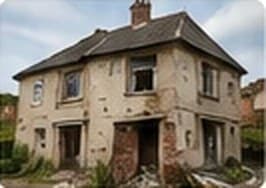
Needs a lot of work
Fire damage, structural problems or complete renovation needed.
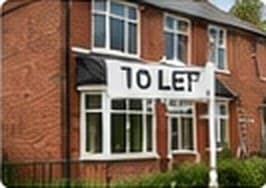
Tenant problems
Difficult tenants, or a tenanted property you want to sell.
Sale fallen through
You want a buyer who can proceed.
Been told it’s hard to sell?
Tell us about the property and the issue. We'll explain what we could offer — and if fixing the problem first would leave you better off, we'll tell you.